
Both stations stand for radio that is local, multilingual, culturally engaged and shaped by participation. Their archives are therefore more than technical collections. They contain voices, debates, music scenes, minority-language programs, urban culture, political discussion, and community perspectives that are often underrepresented in mainstream media memory.
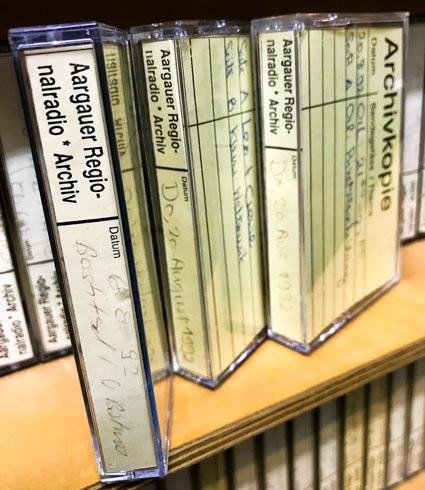
At Kanal K, the archive project opened a window onto broadcasts from 1988 to 2017, including early material preserved on compact cassettes. Radio LoRa brought a similarly important heritage into the project, documenting current-affairs and background programming with a strong urban-local perspective, while also reflecting global developments and social movements. In both cases, the digitized content was made freely accessible to the public, giving renewed life to recordings that had previously existed mainly as physical archive assets.
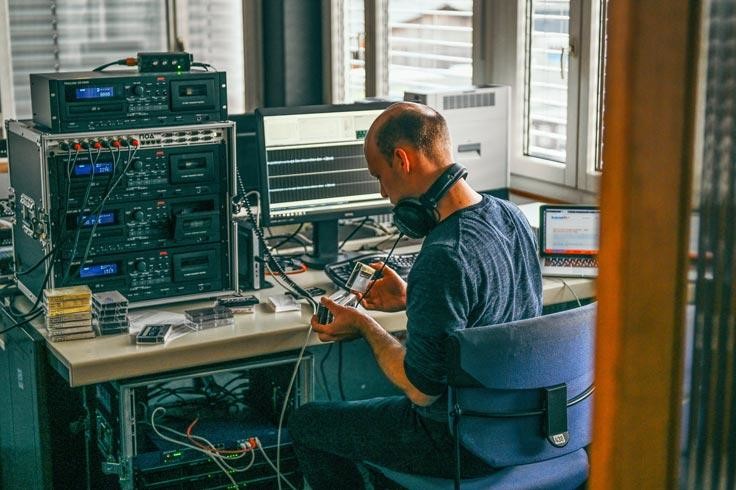
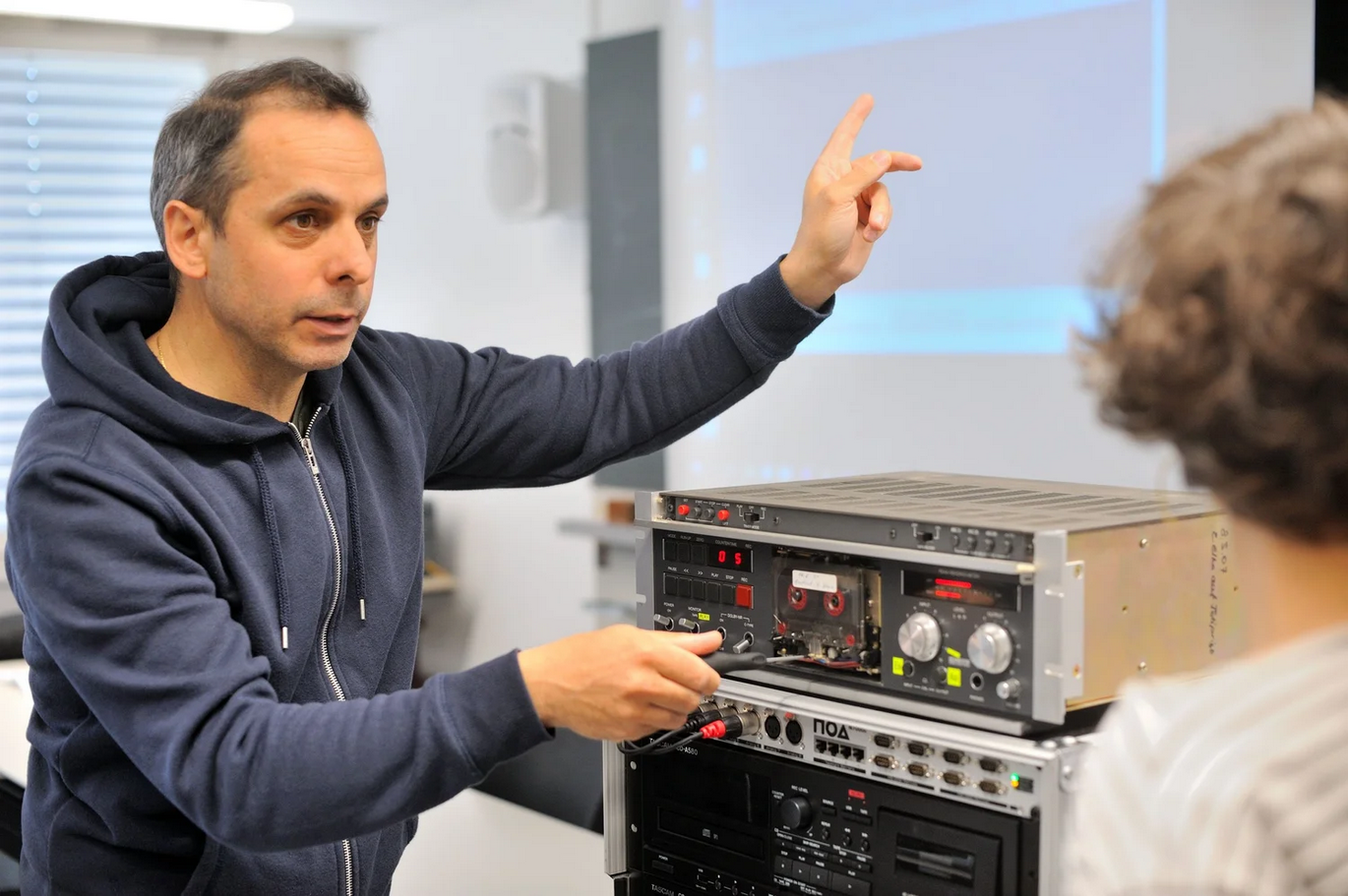
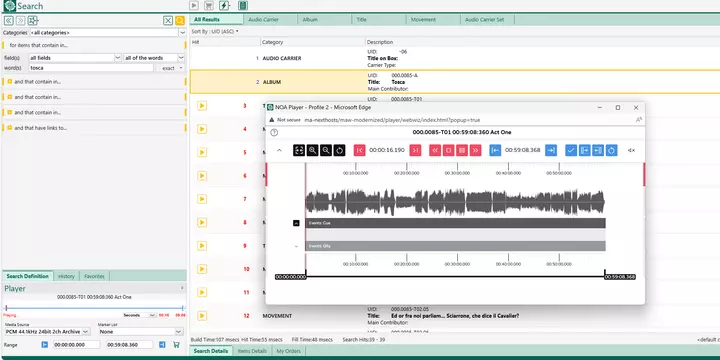
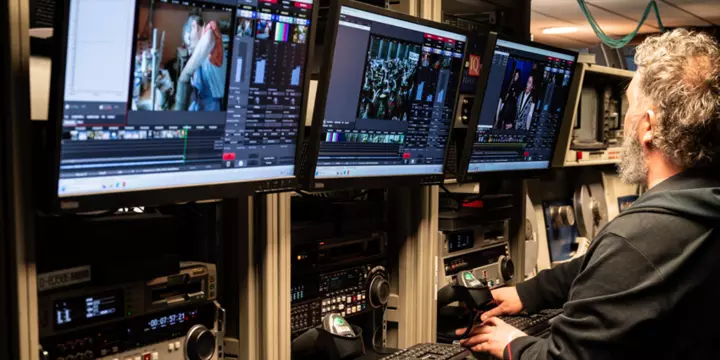
NOARecord PICO provided the important means for a quality-controlled transfer. Rather than simply converting cassette to file, it supported a workflow in which the transfer could be monitored, checked, and documented while it was taking place. With BitProof™, the process also helped guard against hidden transfer errors, ensuring that these valuable sound assets were not only digitized, but captured with the confidence required for long-term preservation, future reuse, and public access.
The projects were embedded in a broader professional ecosystem. The Kanal K project was supported by Memoriav and the Swiss Federal Office of Communications, OFCOM, known in German as BAKOM, which funds radio and TV preservation projects outside the public-service sector following Memoriav’s review and guidance. Memoriav contributed audio-archival guidance, training and preservation know-how, while the Fonoteca Nazionale Svizzera, itself a long-standing NOA Archive client, served as the specialist sound archive, receiving the prepared materials for long-term preservation and access. The result was not merely a transfer from cassette to file, but a structured preservation effort with lasting cultural value.
Looking back, the significance is clear: recordings that once lived on cassette shelves in local radio offices have become part of Switzerland’s accessible audiovisual memory. The Kanal K project summary report captured this transformation in a powerful image:
The past is a closed door, the present is an open one, and the future is an approaching door. The Kanal K broadcast archive project has now opened the previously closed door to the past.
Together, Kanal K, Radio LoRa, Memoriav, and NOA Archive helped ensure that this door remains open, turning endangered sound carriers into preserved, quality-controlled and publicly accessible records of independent radio culture.
———————
The Fonoteca Nazionale Svizzera (the Swiss National Sound Archives), based in Lugano and part of the Swiss National Library, preserves Switzerland’s audio heritage. It collects, catalogues and provides access to Swiss-related sound documents of all kinds, from music and spoken word recordings to historical audio collections.
Title image: photo by Roman Gaigg