
- A constraints-driven factory managed by NOA jobDB, that aligned throughput to validation, not just ingest, which kept quality high and costs predictable.
- 5+1 layers of QC, from RF/ISR-based transfer checks to wrapper and independent audits, so every file met spec.
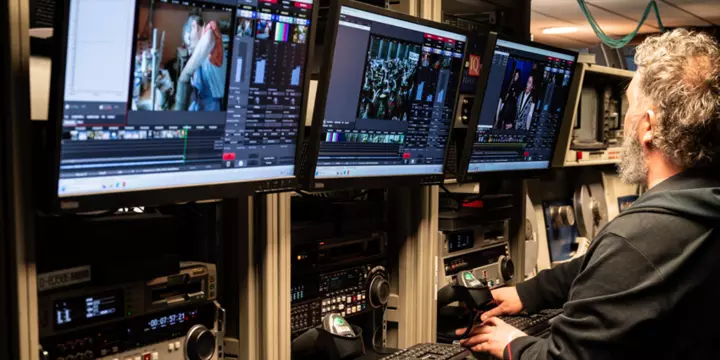
- Evidence-based deckmaintanance using RF and ISR signals gathered by NOA FrameLector, extending VTR life to well beyond 20,000 hours in many cases.
- Clear format policy and MXF alignment with IMX-D10 deliverables, generated from lossless intermediates.
The result: 18 million minutes preserved across nearly a decade of continuous operation, several thousand square meters of vault space freed, and up to 1.5 million physical carriers safely decommissioned after rigorous verification.
We here at NOA Archive are proud to have been part of this journey with ORF and Atos, turning a complex, long-term vision into a reliable preservation reality. The lessons learned from this and other project guide how we design, scale, and validate future solutions so that quality, throughput, and cost control stay in balance.
We are ready to provide the same success to broadcasters and archival institutions around the world. Connect with us to explore how the framework behind this project can either kickstart or accelerate your program.
Click here to hear some closing remarks and personal insight from three figures behind the program Christoph Bauer (ORF), Christoph Schramm (Atos), and Manuel Corn (NOA) and their lessons for anyone planning large-scale AV preservation.