
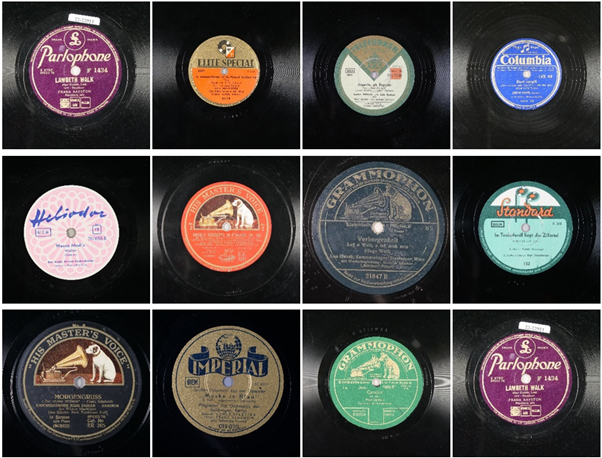
Together with our oldest client, Mediathek Austria, we executed a shellac digitization project covering 4,000 sides and approximately 14,000 minutes of audio content, largely public-domain material from recordings typically older than 75 years. The headline result matters because it is operationally concrete: one trained person, working in a production-grade process, can deliver serious volume without turning the work into a risky, ad hoc craft exercise.
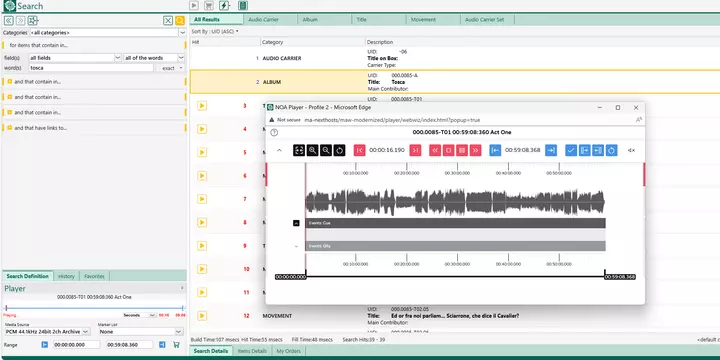
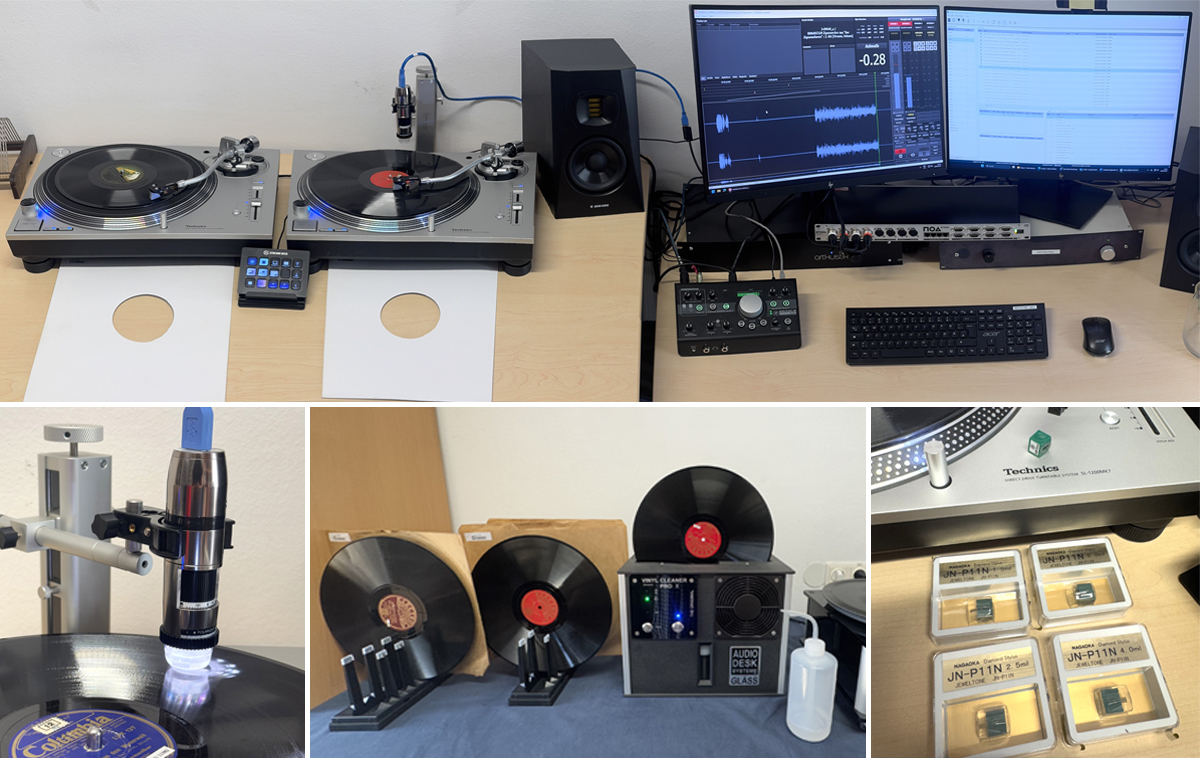
For the project, we temporarily expanded Mediathek Austria’s existing environment by adding the system as an extension to their seven NOARecord stations, all connected to the central NOA jobDB workflow and production system. This allowed the project to run inside the archive’s established management framework, with consistent job control, traceability, and a workflow that behaves like production rather than a collection of disconnected transfers.
What enabled this throughput was not a single “magic” component. It was the discipline of an end-to-end workflow engineered for repeatability, with clear decision points and documented outcomes. In shellac digitization, the real time loss usually comes from exceptions, rework, and uncertainty. We designed the process specifically to reduce those failure modes.
Key elements included:
- Structured inspection and documentation up front, so cracked, warped, heavily worn, or contaminated discs are identified early and handled appropriately.
- Shellac-safe wet cleaning using non-alcohol fluids and controlled drying, reducing embedded groove contamination before playback and lowering avoidable noise at the source.
- A stylus strategy designed for the reality of 78 rpm variability. Groove wear and historical manufacturing differences mean that stylus choice is often decisive. Where needed, we validated stylus selection with microscopic groove evaluation and documented stylus changes, rather than relying on guesswork.
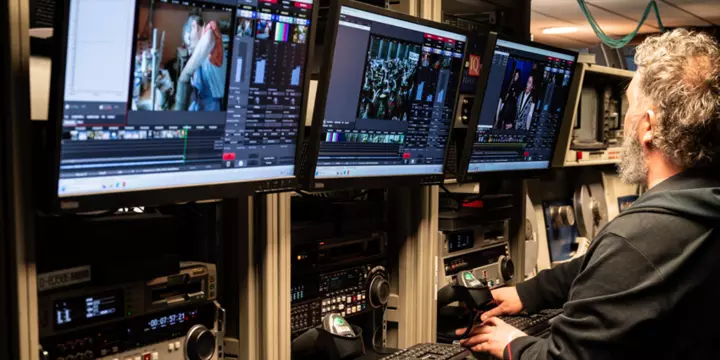
- Controlled capture and quality control. Listening plus waveform review ensures issues are detected immediately, while the material and setup are still in context, not weeks later.
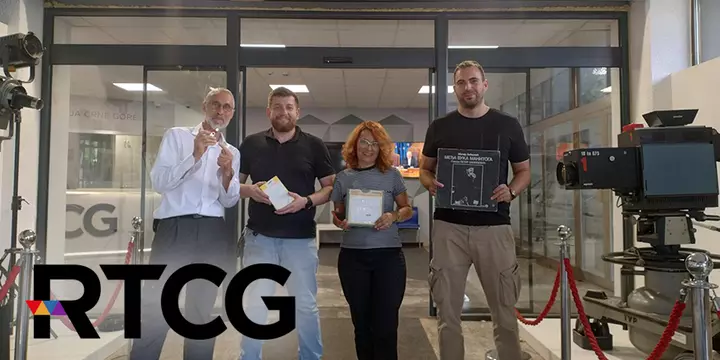
This project took place in the context of the Austrian Ministry of Culture environment at Österreichische Mediathek and was awarded in the OePEX context “KulturErbe Österreich.” For organizations holding shellac collections, the relevance is straightforward: efficiency only matters if it is repeatable, and repeatability only matters if it is carrier-safe and quality-controlled.
If you are planning a 78 rpm digitization initiative and want to understand realistic throughput, staffing requirements, and the practical levers that protect both carrier and audio quality, we are happy to discuss your collection and outline a production plan.